In order to give an overview of metalworking, I’d like to zone in on one particular material: silver. This precious metal has taken many forms with various uses throughout history and into the present, some of which include currency, mirrors, tableware, decorative vessels, electronics, medicine, and of course, bullets to kill werewolves.
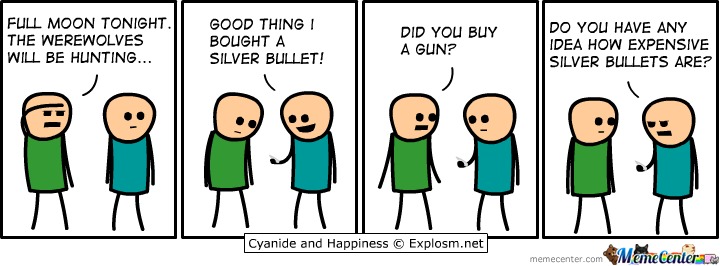
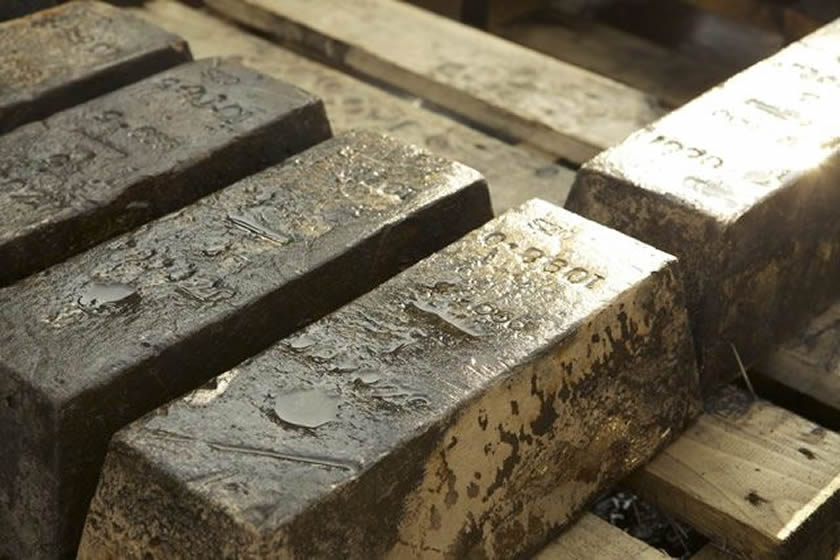
Because silver is a softer, more malleable metal, it is a perfect medium for jewelry. It is also shiny, eye-catching, and rare, which makes it a coveted material for body adornments. As jewelry, it comes in as many forms as jewelry takes—necklaces, bracelets, bangles, rings, earrings, amulets, and the list goes on. Each form it takes, as well as the sociocultural context in which it is made, requires different techniques to fashion it into a final product.
Like many crafts, silversmithing requires many tools* made with various mediums employing many technologies. In the blog Maker Monologues, metalsmith and jeweler Brittany Witt creates an extensive list of materials and tools needed to craft a simple silver ring using “basic” silversmithing techniques.
The tools needed include:
- Torch
- Soldering pick
- Soldering board
- Ring mandrel
- Rawhide mallet
- Metal file
- Copper tongs (she notes that copper or plastic is needed to grab jewelry out of pickle solution, as other metals can cause the fire scale, or the oxides created by heat, to be “electroplated” onto the silver in this step)
- Crockpot (for pickle solution)
- Pickle (a natural or chemical based solution to clean off fire scale)
- Flush cutters
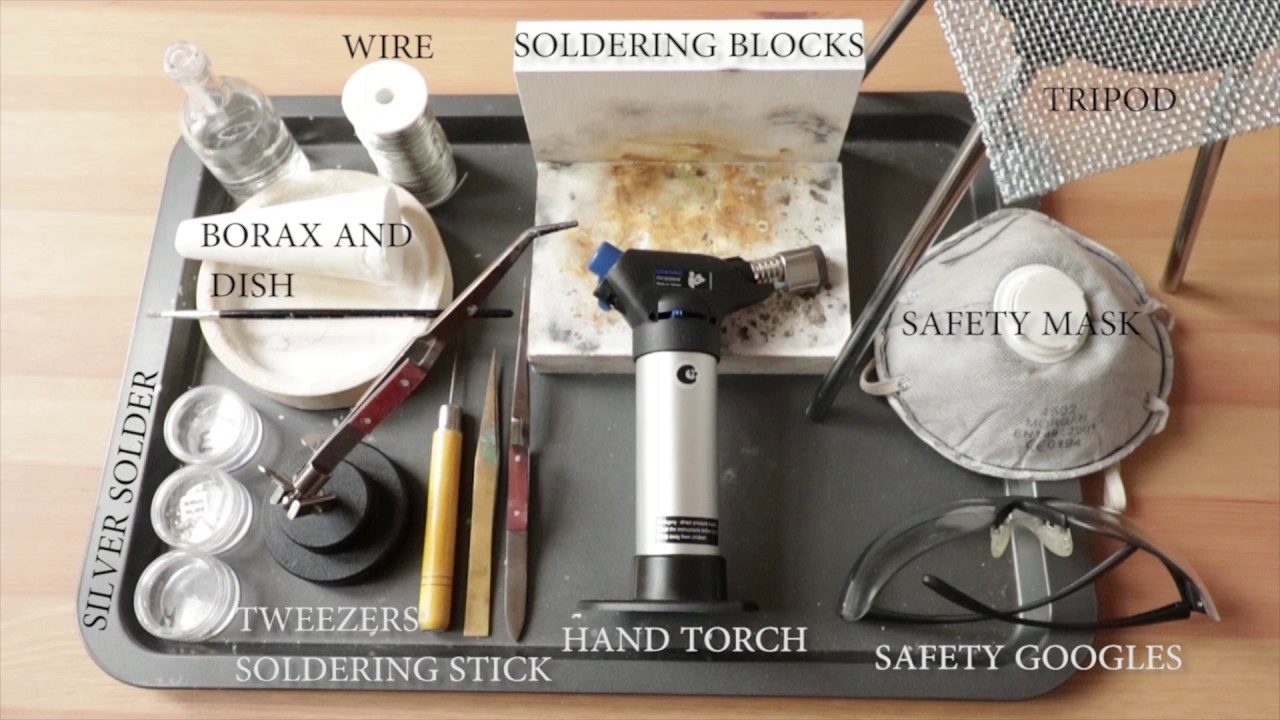
She lists the materials needed as:
- Flux
- Solder (she mentions the hardness of solder being easy, medium, or hard, and that it comes in several forms, which should be chosen upon preference: wire, sheets, chips, and paste)
- Silver wire
- Polishing
- Third hands (a tool used to hold the silver while the silversmith is soldering)
- Mask
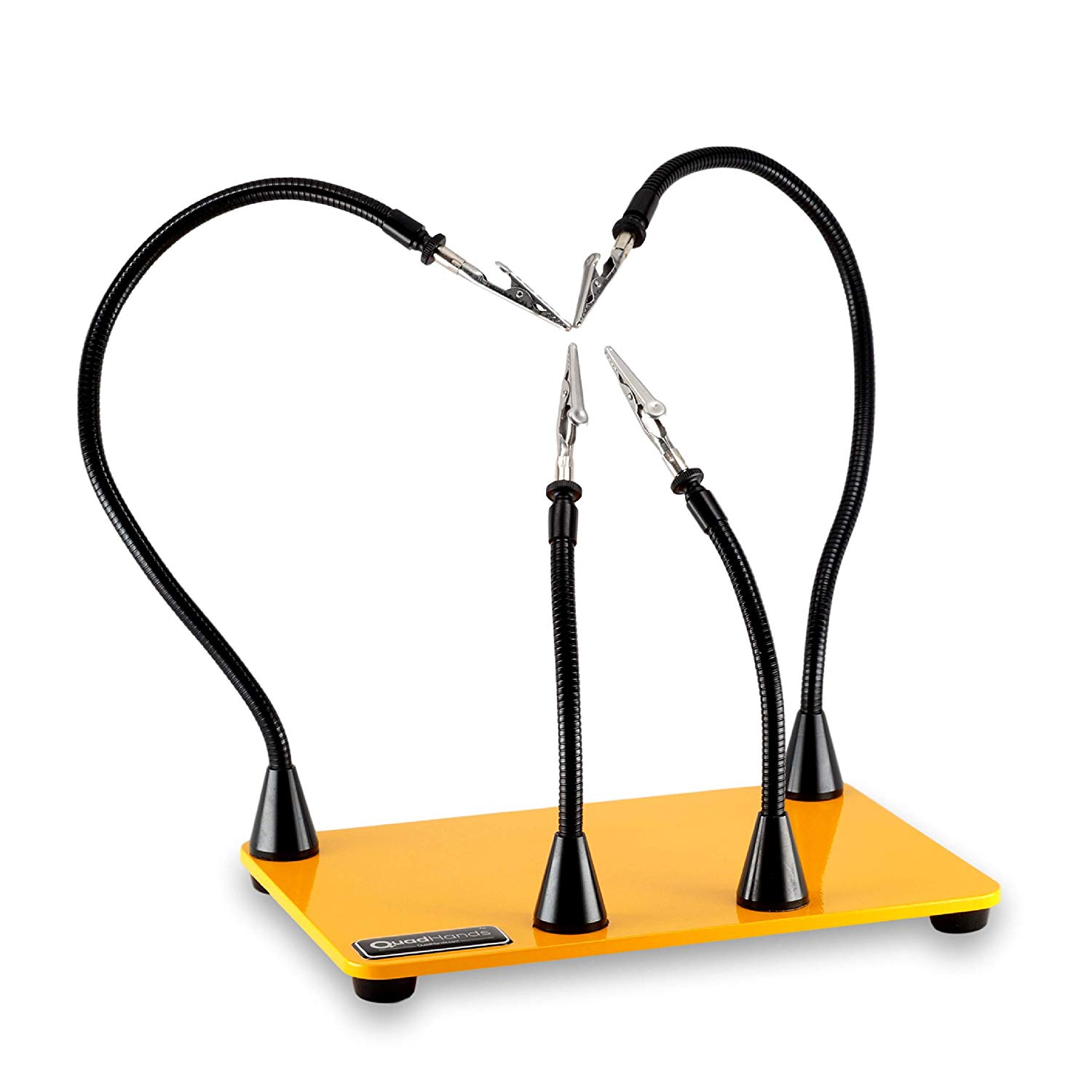
A list of tools and materials isn’t much help when it comes down to actually creating jewelry. It does, however, emphasize how much this craft relies on other tools and technologies. (Speaking of other technologies, can we talk about this “third hands” contraption? It replaces the need for another person for a traditionally workshop-based craft! What can this tell us about this specific metalsmith?) It also brings attention to all of the choices that a silversmith needs to make depending on their own preference, as well as deciphering what is best for what they are making.
I actually quite like Witt’s list, because all of her asides exemplify the choice-making that goes into what she deems “basic silversmithing”. For example, when choosing silver wire, she suggests a hardness, explaining that one should get “dead soft as opposed to half hard or spring hard because it’s easier to work with”. The way she explains this leads me to believe that any of these are viable options, but she chooses the softest one, because it is easier to work. It also makes me to wonder whether someone else might have another opinion on this, or if in other contexts, a different silversmith would choose another option. Her preference ultimately is based on her own savoir-faire and connaisance which would presumably differ from other silversmiths depending on where they are from, how they learned the craft, who they learned from, and what sort of resources were at their disposal.
*For a video explaining silversmithing tools, see Stardust Mine Jewelry’s YouTube post.

 Jewelry Making Technologies